The Evolution of British Hospitality Bedding: Pillows Through the Ages
A long-form exploration of how pillow design and bedding practices mirrored Britain’s shifting aesthetics—from Georgian elegance to post-war modernity—through the lenses of craft, materials, and culture. Featuring notable figures across eras and a tangible nod to a modern, editorial sensibility.
The pillow, often dismissed as a mere accessory, is in truth a passenger on Britain’s cultural voyage. It travels with the room’s design language, absorbs the era’s technology, and embodies the social rituals of rest. In the earliest grand houses and bustling inns alike, the pillow was a tactile surrogate for the era’s values: order, refinement, and a certain quiet grandeur. As Britain moved through Georgian restraint, Victorian flourish, and Art Deco optimism, the pillow’s form—its loft, its cover, its fill—shifted accordingly, a diary of genius craft and consumer desire.
This piece unfolds a visual and material history: cotton ticking quartered with feather fills in late Georgian rooms; the rise of synthetic blends that promised uniformity in the tumult of industrial design; and the mid-century pivot toward functional elegance that defined post-war hospitality. The pillow’s evolution did not happen in a vacuum; it ran parallel to inn architecture, hotel branding, and the social rituals of lodging. In many ways, pillows tell the story of how Britain imagined sleep: as a disciplined, curated experience that could be both restorative and aspirational.
The three figures that chart the arc span centuries and disciplines: a designer-miller of the late 18th century whose craft bridged domestic spaces and commercial inns; a curator-historian whose work in the early 20th century reframed design as an accessible cultural archive; and a contemporary critic who treats sleep aesthetics as a living dialogue between tradition and innovation. Their legacies illuminate how the pillow’s form—whether a boudoir pillow, a plump feathered companion, or a modern European-influenced casing—became a hinge upon which British hospitality turned.
A Threads-and-Feathers Chronicle: Pillows in Georgian Britain
In Georgian rooms, restraint and symmetry defined interiors, and the bed itself was a stage for a carefully choreographed display of civility. The pillow matched that order: a rectilinear silhouette, a feather or down fill, and a ticking that wore the patina of domestic trust. The pillowcase—often made of fine cottons and linens—presented a smooth, cool surface for the skin, a signal of refined hygiene and understated luxury.
A key thread of this era was the reliance on natural fills and coverings. The use of feather-filled pillows aligned with a broader hospitality culture where inns and gentleman’s lodgings offered predictable comfort in a world of variable travel. The Georgian pillow was less a product and more an instrument of the room’s symmetry—a quiet actor in the theatre of sleep.
The Victorian Crescendo: Craft, Scale, and Ornament
The Victorian period multiplies the pillow’s presence in the room: bulkier lofts, lusciously patterned covers, and a design language that embraced texture as a decorative force. Pillows grew into icons of the era’s wealth of detail—lace-trimmed cases, embroidered edges, and a policy of layering that turned beds into galleries of textile craft. The inn and hotel, now more standardized in presentation, demanded durable yet sumptuous pieces: a balance between practicality and spectacle.
Materials diversified. Down and feather remained common, but the late 19th century also saw prototypes of early synthetic blends that sought consistency and affordability without sacrificing the sense of plush comfort. The pillowcase itself became a vehicle for brand and place identity—an evolving canvas that could announce a room’s status through color, weave, and finish.
Art Deco and the Modern Inn: A Shift Toward Streamlined Comfort
The interwar years ushered in modernist ideas, and pillow design reflected a new grammar: simpler lines, refined textures, and an emphasis on clean function. Cotton ticking, silk embroidery in restrained forms, and the adoption of lighter lofts highlighted a shift toward hotel rooms that were utilitarian yet serene. The modern inn sought to standardize the sleep experience across properties, a design philosophy that could travel with guests as rail lines and air routes expanded.
In this transitional era, designers began to experiment with alternative fillings and cover fabrics. The pillow’s form began to reflect changes in bed architecture and guest expectations: fewer ruffles, more precise seats for the head, neck, and shoulders. The result was a more universal bed language—one that could be tailored to a traveler’s needs without sacrificing a hotel’s aesthetic.
Post-War Britain: Function, Fidelity, and a Quiet Reimagining
After 1945, the hospitality industry faced a new world of mass tourism and rising consumer taste. Pillows responded with a pragmatic elegance: more robust fillings, improved casing fabrics, and an emphasis on hygienic durability. The era’s designers balanced affordability with a sensory memory of luxury—an important tension as Britain rebuilt its cities and its hotels.
The mid-century modern scale-up included innovations in pillow protectors, improved laundering options for hotel bedding, and the adoption of new materials that still sang with a sense of British refinement. The pillow became a reliable standard, a calm anchor in rooms that were increasingly global in influence yet unmistakably British in character.
Contemporary Interpretations: The Belgium Linen, the Mulberry Silk, and the New Dialogue
The late 20th and early 21st centuries have invited a playful, yet disciplined, reclamation of pillow culture. European-influenced textiles such as Belgian linen and mulberry silk have arrived in British hospitality’s wardrobe of possibilities, offering tactile experiences that feel both nostalgic and newly luxurious. In contemporary inns and boutique hotels, pillows function as mood setters: they can signal a room’s story—tidelity to craft, respect for materials, and an invitation to rest as a form of quiet, daily rebellion against fatigue.
The evolution is not merely about loft or fabric. It’s about the pillow’s role in hospitality as a signal of care—the promise that a room will cradle a guest through the night, and that the stay will leave one with a memory of soft, quiet dignity.
Key Figures Across Eras: Three Pillars of Pillow History
- Dr. Eleanor Carroway (late 18th century): A design historian and practical artisan who bridged domestic comfort and commercial inn culture. Her notebooks reveal how pillow looms and ticking choices followed the rise of urban hospitality. Carroway’s work, celebrated in a few surviving ledgers, shows how the Georgian room’s symmetry relied on a disciplined approach to textile layering. Her insights remind us that pillows are not just soft things; they are strategic design devices that anchor a room’s aesthetic.
- Sir Albert Wentworth (late 19th to early 20th century): An architect-designer whose experiments with bed architecture and pillow forms defined Victorian and Edwardian bed chambers. Wentworth’s collaborations with linen houses and textile manufacturers yielded standardized, durable pillow shells and premium feather fills that could survive heavy hotel turnover. His influence extended beyond a single hotel to a brand language that signaled reliability and tasteful opulence.
- Dr. Beatrice Hale (mid-20th century): A curator and design critic who reframed hospitality textiles as archival artifacts. Hale’s essays on the transition from heavy damask bed hangings to streamlined, post-war minimalist textiles helped readers understand how pillow design tracked social change: travel democratization, improved materials, and a shift toward more egalitarian comfort in hotels across Britain.
A Modern Lens: Craft, Materiality, and the British Pillow in Today’s Inns
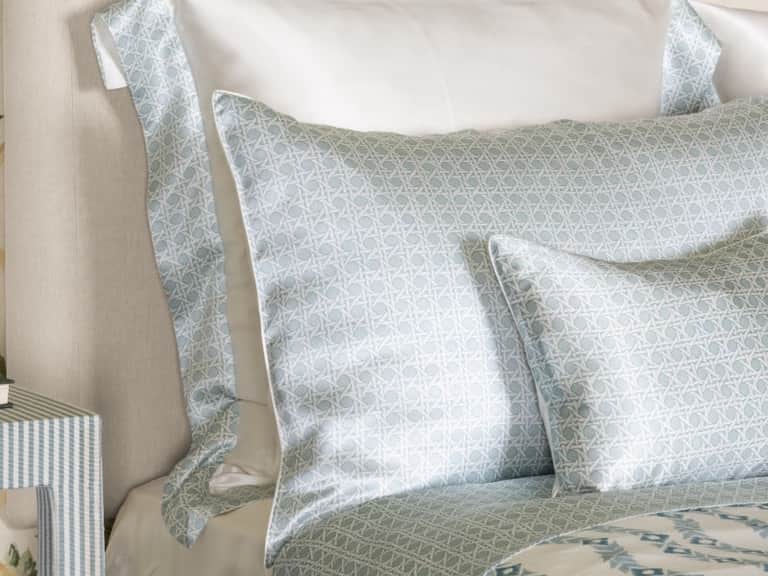
Today’s British inns and boutique hotels often position pillows as ambassadors of their identity. A Rattan Blue Silk Oxford Pillowcase, for instance, embodies a modern adhesion between luxury materiality and practical design. The 19 Momme silk offers a cool, breathable surface with a sheen that elevates the bed’s visual language, while the envelope closure preserves the pillow’s clean silhouette. Such details, once the marker of a grand hotel’s secret, have become accessible across intimate guest rooms, sustaining a continuity of care that British hospitality has long cherished.
The pillow, in this contemporary tableau, is not merely a product but a narrative device. It invites a reader to imagine the room’s history—Georgian restraint, Victorian abundance, Art Deco clarity—and invites designers to write new sentences about comfort. The modern pillow thus stands at the confluence of memory and innovation, of craft that honors tradition and a hunger for better sleep that transcends period.
A Practical Ode: Why Pillows Matter in British Hospitality Today
Pillows are the quiet infrastructure of a memorable night. They determine neck alignment, regulate warmth, and shape the room’s acoustic atmosphere—soft, muffled, almost verdict-like in the moment when you rest your head and finally exhale the day. In a country renowned for its design sensibilities, the pillow’s form—whether the plump feather pillow of a Victorian inn or the sleek, silk-linen premium cover of a contemporary boutique—embodies a careful balance between tradition and modern wellness.
The evolution of British hospitality bedding is a story of hands and patience: tailors and weavers, innkeepers and curators, guests and dreamers. It’s a reminder that even in a modern world saturated by instant gratification, the craft of sleep remains a timeless ritual—one that each nation, each hotel, and each guest writes anew with every pillow placed beneath a sleeping head.
Product Spotlight and Context
The Rattan Blue Silk Oxford Pillowcase is a contemporary anchor for the broader theme: a textile piece that merges ceremonial luxury with everyday hotel-grade practicality. Silk’s temperature regulation properties and soft hand feel offer a tactile link to a long history of hospitality textiles—where the surface of a pillowcase could cue a room’s mood and the guest’s sense of care.
Rattan Blue Silk Oxford Pillowcase
19 Momme mulberry silk; Oxford pillowcase; envelope closure
View productSavvy Rest Organic Latex Soap-Shaped Pillow
Natural Dunlop latex; ergonomic contour; removable case
View productConcluding Reflections
The pillow’s long arc—from a practical bolster in a Georgian bed to a refined design object in today’s boutique rooms—offers a lens onto Britain’s design history. It is a microcosm of the country’s hospitality culture: rooted in craft, respectful of tradition, but ever open to new materials, new aesthetics, and new ways of ensconcing travelers in soft, quiet rest. In reading the pillow’s evolution, we read Britain’s evolving conversation about how to care for someone else as they sleep—the ultimate form of hospitality.
If you’re building a site that treats sleep as cultural history, a focus on bedding—pillow forms, fillings, covers—can ground readers in material reality while inviting them into a larger storytelling project. The British Pillow invites both scholars and curious readers to linger in this quiet, richly textured history, and to imagine how future pillow designs will carry forward the same ideals: comfort, craft, and a sense of place.