 Furniture
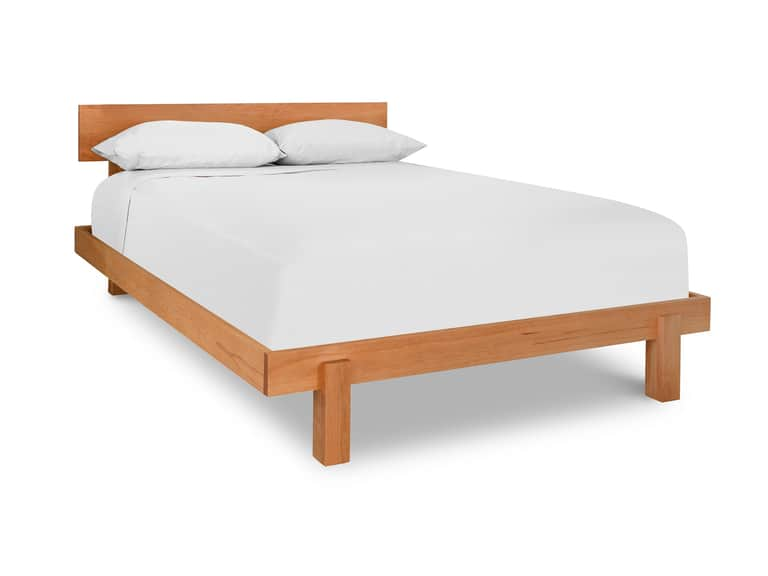
Kipling Bed
Experience lasting durability and timeless style with Kipling Bed—solid hardwood that highlights natural grain, supports daily use, and brings refined texture to a serene, enduring bedroom.
Platform bed frames are designed to provide a low-profile, sturdy foundation that pairs with various mattress types while showcasing a contemporary aesthetic. Materials often include solid wood or engineered wood, with slatted or sprung-support systems to distribute weight evenly. This category emphasizes compatibility with British mattress sizes and standard bed dimensions.
Key features to understand include height, under-bed clearance, and headboard style. Platform frames typically require no box spring, offering a stable surface that enhances mattress performance over time. Consider moisture resistance, ventilation, and ease of assembly, which are important for long‑term usability in diverse bedroom layouts.
In the Kipling Bed line, design elements blend functionality with visual clarity. Look for solid construction, integrated slats, and precise joinery that reduce movement and noise. Such frames support varied sleeping postures and resist sagging, contributing to consistent spinal alignment and overall comfort.
Material choices influence durability and feel, with wooden frames providing a natural aesthetic and potential for refinishing, while metal or composite options may offer lighter weight and different finishes. Pay attention to weight ratings, compatibility with mattresses like latex or organic mattresses, and maintenance needs to preserve finish quality.
For British bedrooms, platform bed frames harmonize with room proportions, flooring, and storage solutions. The Kipling Bed exemplifies how a low-profile silhouette can maximize floor space, accommodate under-bed storage if designed, and maintain a clean, timeless look suitable for a range of interior styles and bedding setups.
Furniture